Seasoning systems are at the heart of snack flavour delivery. When they perform well, the result is a consistent, visually appealing, and great-tasting product. But if your process is not optimised, you may face issues such as flavour inconsistencies, poor adhesion, clumping, waste and excessive seasoning loss.
Here are the most effective ways to prevent seasoning problems in snack production.
1. Use Oil as a Functional Adhesive
Instead of treating oil as simply a flavour carrier, think of it as the glue that helps seasoning stick.
- Apply oil evenly
- Maintain recommended temperature
- Avoid atomised spray systems where possible and instead use a fine targeted droplet spray (for example, a KMG LSU)
- Match oil volume to snack type
Even a small improvement in oil dispersal can significantly increase seasoning efficiency.
2. Match Seasoning Particle Size to the Snack
Seasoning blends should be selected based on:
- Snack Geometry
- Surface texture
- Processing method (fried, baked, extruded)
3. Control Product Temperature
Seasoning adheres best when the snack surface is warm.
- Avoid long unheated transfers before seasoning
- Reduce open-air cooling time
- Keep seasoning systems close to process.
Warm snacks + warm oil = optimal coating conditions
4. Invest in Precision Seasoning Equipment
Manually applied seasoning is almost impossible to control. Modern systems provide:
- Accurate dosing
- Continuous flow
- Dynamic control based on line speed
- Improved return on seasoning usage
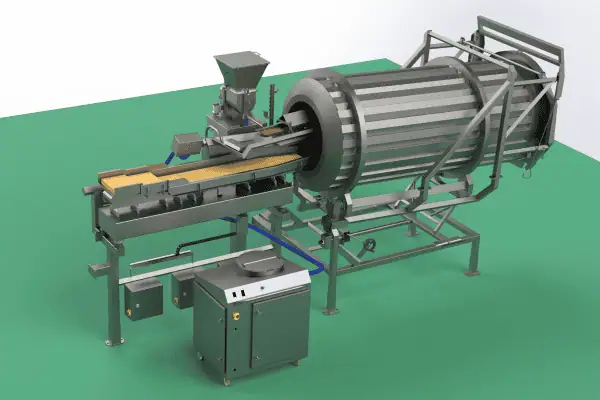
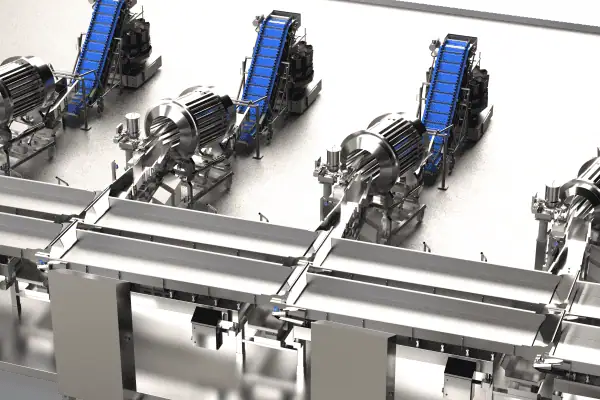
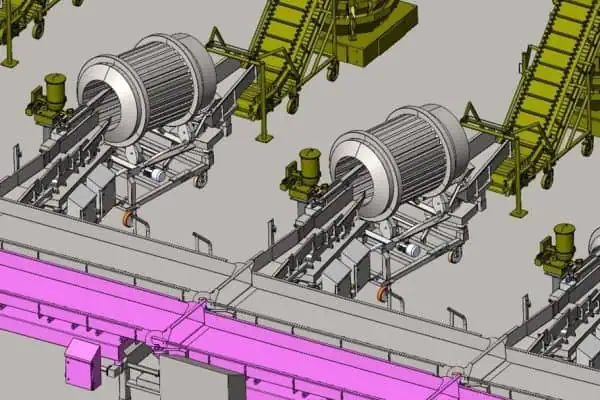
Vibratory seasoning conveyors and seasoning drums offer excellent coverage when properly engineered.
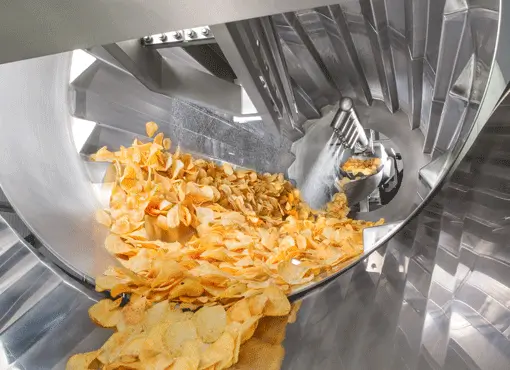
5. Ensure Sufficient Tumble Time
A snack needs long enough in motion for seasoning to adhere fully. Consider:
- Dwell time
- Line throughput vs drum size
- Appropriate flight design
If seasoning is applied too late or the product moves too fast, adhesion suffers.
6. Reduce Airflow Disruptions
Air extraction systems, cooling fans or ambient drafts can remove seasoning before it settles. Solutions include:
- Enclosing the seasoning area
- Managing air pressure differentials
- Using dust extraction only where necessary
Keeping air calm is key.
7. Maintain Consistent Snack Quality
Seasoning efficiency is linked to product consistency:
- Moisture variation affects adhesion
- Shape variation changes seasoning load
- Oil and sugar contect affects surface tack
A stable upstream process = better seasoning results.
Preventing seasoning problems is not about one fix; it’s about controlling multiple variables, from oiling and temperature to equipment design and airflow. With the right system in place, manufacturers can achieve:
- Higher seasoning consistency
- Less seasoning waste
- Lower over cost-per-kg
- Enhanced product appearance
- Better consumer satisfaction